 Deutsch

26.03.2026
One of the most common obstacles artists face today is not talent, skill, or even visibility.
It is comparison.
 The digital world gives artists unprecedented opportunities to share their work. But it also creates an environment where thousands of artworks appear on the screen every day, making it almost impossible not to measure yourself against others.
Someone has more followers.
Someone sells faster.
Someone seems to receive endless attention from collectors and galleries.
And slowly, comparison becomes a silent creative paralysis.
But the truth is simple: comparison does not help artists grow. It only distracts them from the work that actually matters.
Social media and online platforms often show a highly curated version of artistic success. Finished works, exhibitions, sold stickers, studio photos, press mentions.
What they rarely show is the long, quiet process behind them.
Years of experimentation.
Works that never sold.
Moments of doubt and creative uncertainty.
When artists compare themselves to these polished fragments, they are comparing their real process to someone else’s edited highlight. That comparison is fundamentally misleading.
Another misconception is the belief that the art market functions like a race.
It does not.
Collectors do not buy the “best” artwork in an objective sense. They buy what resonates with them.
A collector might walk past twenty technically perfect paintings and suddenly stop in front of a piece that speaks to them personally.
Art is not a ranking system. It is a field of relationships, emotions, and meaning.
Your work does not need to outperform other artists. It needs to connect with the right viewer.
Artists who build sustainable careers rarely do so by watching others.
They do it by continuing their own work — steadily, patiently, and consistently.
They refine their language.
They develop their themes.
They build a body of work that reflects a clear artistic voice.
Collectors notice consistency. They recognize artists who continue exploring their ideas instead of chasing trends or reacting to what others are doing. Over time, this clarity becomes far more valuable than momentary attention.
In the contemporary art world, artists are not only creators of objects. They are authors of perspectives.
Your work carries your way of seeing the world.
Your experiences.
Your questions.
Your visual language.
No amount of comparison can improve that. But sustained focus on your own practice can.
Artists who stop trying to measure themselves against others often discover something unexpected: their work becomes stronger, more coherent, and more recognizable. And that clarity is exactly what attracts collectors.
Stopping comparison does not mean ignoring the art world. Artists should remain aware of exhibitions, conversations, and cultural context. But awareness is different from self-doubt.
Instead of asking:
“Why is their work selling and mine isn’t?”
Ask:
“How can I develop my work more clearly?”
“How can I present it more professionally?”
“How can I reach collectors who resonate with what I do?”
This shift changes the entire dynamic.
Comparison drains energy.
Position builds momentum.
Another common fear is that selling art somehow compromises authenticity. In reality, selling simply means that your work has found someone who values it enough to live with it.
Collectors support artists not only financially but also culturally. They become part of the life of the artwork. A healthy art ecosystem depends on this exchange.
Artists create meaning. Collectors give that meaning a place in the world.
In the end, the most productive strategy for any artist is surprisingly simple.
Continue making the work.
Develop your ideas.
Build a coherent portfolio.
Present your work professionally.
Comparison will always exist, but it becomes irrelevant when the focus returns to the studio, the canvas, the process.
Because the artists who ultimately succeed are rarely those who spend their time measuring themselves against others. They are the ones who continue creating.
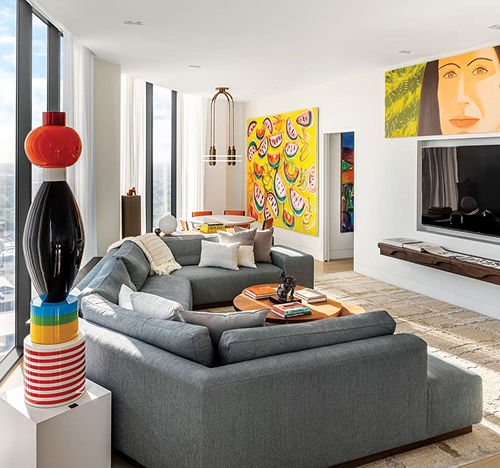
Enter the global collection where every artwork carries a unique voice and energy.
Explore the artwork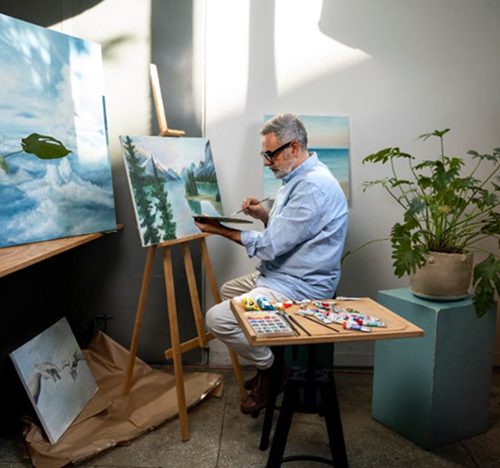
Find the artist whose style aligns with your sense of beauty.
Explore artists
Join BWORLDART — a curated space for artists ready to enter the international market.
Sign up / log inDiscover contemporary art, new collections, and artists from around the world.