 Deutsch

26.03.2026
The art market is surrounded by many beliefs that often have little to do with reality. Especially for artists who are just starting out or trying to reach a new level.
These myths shape expectations, prevent clear decisions, and ultimately slow down development. Let’s look at the most common ones.
There is a common belief that getting into a gallery automatically leads to sales.
In reality, a gallery is not a sales department for the artist. It is a partner with its own priorities, strategy, and limited resources. Galleries work with dozens of artists at the same time and focus on those whose work already shows demand or market potential.
Sales are always a shared process:
the artist’s involvement, activity, visibility, and positioning play a key role.
Curators do influence the context and visibility of art.
But they do not create an artist from nothing. A curator can strengthen an existing practice and place it within a concept or exhibition. But without a developed artistic language and position, this is not enough.
Recognition is the result of consistent work, not a single connection.
This is one of the most common and most harmful myths. Quality matters, but it does not guarantee sales on its own.
If a work is:
— not presented
— not visible
— not understood by the audience
it will not sell, regardless of its level. The art market is not only about creation, but also about communication.
Connections can accelerate the process. But they are not the only or necessary condition. The market has changed significantly. Today, there are platforms, open international spaces, and digital channels that allow artists to be seen without closed circles.
What matters more is:
— clear positioning
— consistent work
— strong presentation
This myth often prevents artists from taking action.
Yes, the market is competitive. Yes, there are established players.
But at the same time, new formats, online platforms, and international opportunities are emerging, making entry more accessible than before.
The question is not whether the market is open.
The question is whether the artist is ready to enter it consciously.
There used to be a clear division: “real art” is in galleries, everything else is online. Today, this division is fading. Digital platforms are becoming a full part of the art market, allowing artists to reach an international audience and work directly with buyers.
At the same time, professional platforms provide:
— structure
— transparent transactions
— purchase security
making them a reliable and effective tool for both artists and collectors.
Myths create false expectations. And false expectations lead to frustration and stagnation. The reality of the art market is simpler and at the same time more demanding:
— it is important not only to create, but to present
— not only the artwork matters, but its context
— not only quality matters, but accessibility for the viewer
When artists begin to see the market without illusions, real growth points appear.
BWORLDART creates a space where art meets professional presentation, transparent conditions, and an international audience — without the need to enter closed systems.
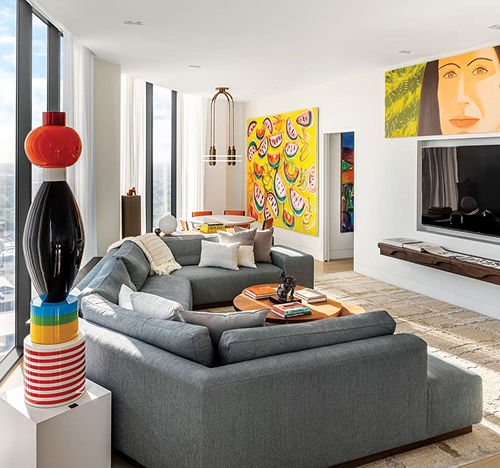
Enter the global collection where every artwork carries a unique voice and energy.
Explore the artwork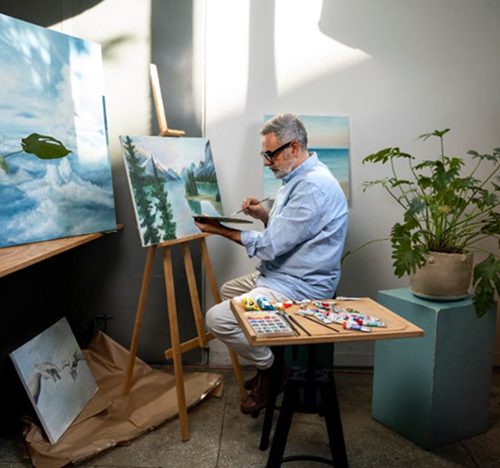
Find the artist whose style aligns with your sense of beauty.
Explore artists
Join BWORLDART — a curated space for artists ready to enter the international market.
Sign up / log inDiscover contemporary art, new collections, and artists from around the world.