 Deutsch
26.03.2026
How artists around the world use abstraction to express emotion, tension, clarity and the unspoken.
Abstraction has been part of the artistic vocabulary for more than a century, yet it remains one of the most compelling and influential languages of contemporary art. Across cultures and continents, artists continue to turn to abstraction not because it is simple, but because it offers a rare freedom — the freedom to speak without explanation, to feel without narrative, and to express what the world cannot always articulate.
Today, abstraction resonates globally because it reflects the complexity of modern life. In a world defined by rapid change, movement and uncertainty, abstract art becomes a space of clarity and emotional truth. It allows artists to explore nuance: the tension between structure and chaos, the harmony of color and silence, the rhythm of form and intuition. Through these elements, abstraction invites the viewer into a deeply personal experience — one that is shaped not by the image itself, but by the response it evokes.
What makes abstraction so enduring is its universality. It does not rely on language or literal representation; it communicates through sensations. Whether created in Tokyo, Berlin, São Paulo or Cape Town, an abstract work can speak across cultures and backgrounds. It becomes a shared field of perception — a place where viewers bring their own stories, memories and emotional landscapes.
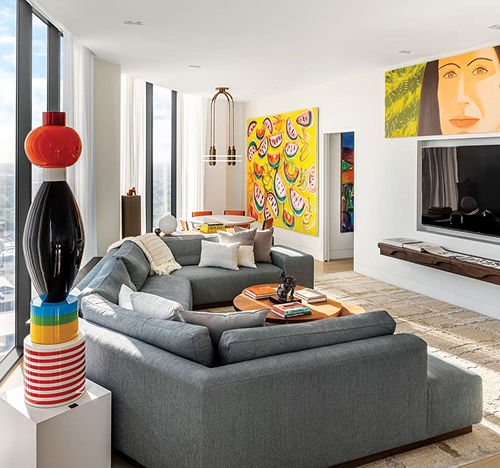
On BWORLDART, abstraction appears in many forms: bold gesture-based paintings, serene color fields, textured minimalism, expressive mixed media. Each piece carries the unique imprint of its creator, yet all share one quality — an ability to shift the energy of a space. Abstraction has the power to transform interiors not by depicting something familiar, but by creating an atmosphere, a presence, a silent vibration that lingers.
For many contemporary artists, abstraction is not an aesthetic choice but a way of thinking. It reflects the desire to move beyond surface reality and explore internal worlds — emotion, consciousness, memory, identity. It mirrors the pace of our era, yet also offers refuge from it. Through abstraction, artists propose new ways of seeing and invite us to slow down, observe, feel and reconnect.
In a globalized art landscape, abstraction remains one of the most unifying and forward-looking expressions. It adapts, evolves and continues to redefine what contemporary art can be. And perhaps this is why it still matters: abstraction gives form to the intangible, voice to the subconscious, depth to the ordinary — and meaning to the spaces we inhabit.
Enter the global collection where every artwork carries a unique voice and energy.
Explore the artwork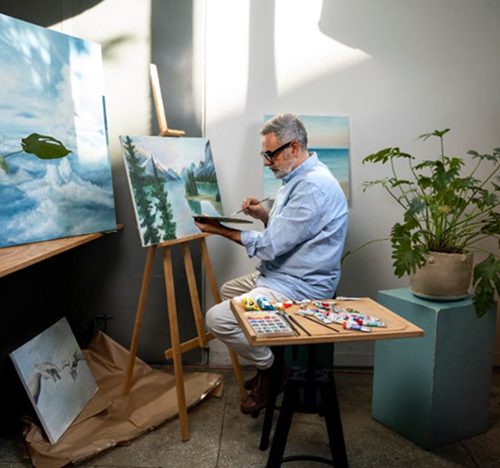
Find the artist whose style aligns with your sense of beauty.
Explore artists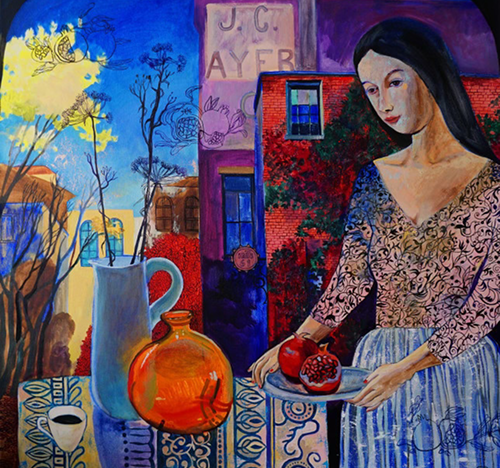
Join BWORLDART — a curated space for artists ready to enter the international market.
Sign up / log inDiscover contemporary art, new collections, and artists from around the world.